Analogy And Homology
1.For your homologus traits provide the following information:
a. Briefly describe (NOT just identify) the two different species that possess the homologus trait.
Homologies are shared between two different species. Humans and dog are two homologous, two different species but have traits that makes them similar to each other.
b. Describe the homologus trait of each species, focusing on the differences in structure and function of the trait. Why do these homologus traits exhibit differences between the two species? Make sure your explanation is clear and complete.
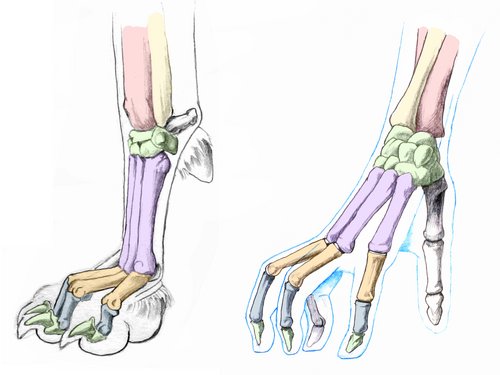
If we look at the image of a human hand a dog’s paw, we can see that they share a similar bone structure in the hand. However on the dog, the thumb is smaller compared to a human thumb, which is larger in size. Making the thumb of the dog a vestigial area. We see this difference because over time human’s learned how to use the function of the thumb in everyday life. Including grabbing or grasping objects. Where as a dogs did not adapt to use this finger. Both these species none the less share homologous traits with bone structure.
c. Who was (generally, not specifically) the common ancestor of these two species and how do you know that ancestor possessed this homologus trait?
The common ancestor who these two species can possibly share distantly would have to be a mammal, due to the similar bone structures and functional capabilities that limbs seen in both species posses. Most mammals possess four limbs, even how each species uses each limb varies across.
d. Provide an image of each species in this comparison.
a. Briefly describe the two different species that possess the analogous trait.
Analogies share similarities based on a common function but no assumed common evolutionary descent. Examples include the fish and a dolphin.
b. Describe the analogous trait of each species, focusing on the similarities in structure and function of the trait. Clearly explain why these analogous traits exhibit similarities between the two species.
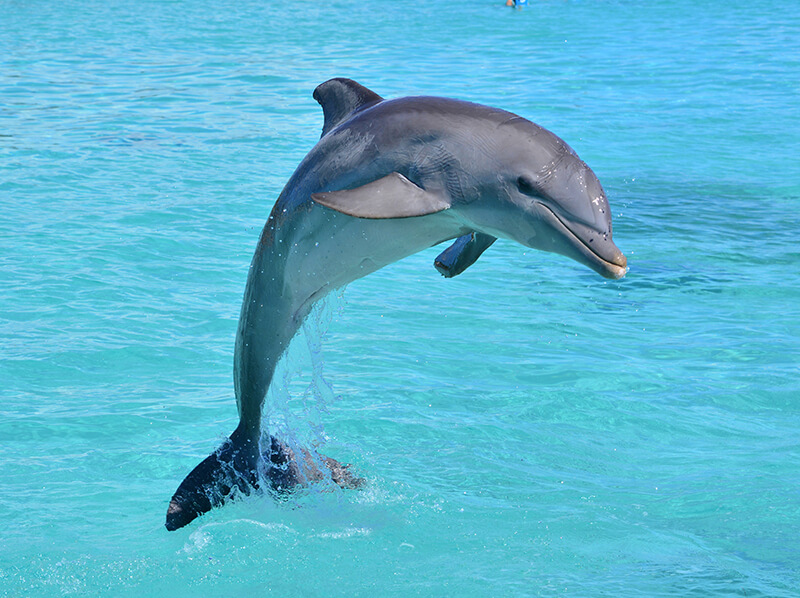
Both a fish and a dolphin posses fins that both use a means to swim around in the ocean, which is necessary for their survival. Even though the fish is an aquatic vertebrate and the dolphin is an aquatic mammal, the fin is their analogous trait.
c. All pairs of organisms share some common ancestor if you go back far enough in time. Did the common ancestor of these two species possess this analogous trait? Why or why not?
The definition of analogies says that two species can share similarities based on a common function, with no assumed common evolutionary descent. From this the two ancestors between these two species may have possessed this similar analogous trait.
d. Provide an image of each species in this comparison.
The opening prompt for both sections specifically ask for descriptions, not just identifications, of your two species. Expand and provide your readers with a better foundation of understanding for these comparisons.
ReplyDeleteIf asked, I usually caution against using domesticated animals, as they are the product of not just natural selection but also artificial selection. You have chosen a trait that arose before domestication, but this potential conflict could have been avoided by choosing a wild relative of dogs, such as a wolf or a coyote.
Good choice of the "thumb" or first digit of the hand/paw. It is relatively easy to see what drove the evolution of the human thumb, but what selection pressure drove the evolutionary path for the canine first digit? Does it have no function and therefore just became vestigial? Was it harmful to have that fifth digit (reduced strength in the paw, which what drove the hoof evolution in horses)? Or did it have some function in it's current form? Would have been interesting to explore this a bit more.
Correct on ancestry. Good explanation. Good images as well.
Okay on your description of the functional/structural similarities in your analogous traits, but it would have been good to explain more clearly why this structure is beneficial in the aquatic environment.
"From this the two ancestors between these two species may have possessed this similar analogous trait."
??? First of all, we are looking for a common ancestor, not "two ancestors", correct? Also, if the common ancestor possessed this trait, wouldn't that indicate the possibility that these are traits that arose via common ancestry, and therefore shared genetic traits, i.e., NOT analogies?
Analogous traits arise due to common environmental pressures, not due to common genetic descent. That means you need to demonstrate that these traits arose independently from each other to confirm analogy. How do we do that?
The common ancestor of the dolphin and fish is an archaic fish, who did possess these fin structures and also passed that trait onto extant fish species. So the question is, did the dolphin also inherit it's fin from that common ancestor? Dolphins "fins" evolved after dolphins split off from terrestrial mammals, i.e., long after the split with ancient fish. This provides us with the evidence we need to confirm that this trait did evolve independently in at least one of these organisms, making these traits analogous.
Good images.